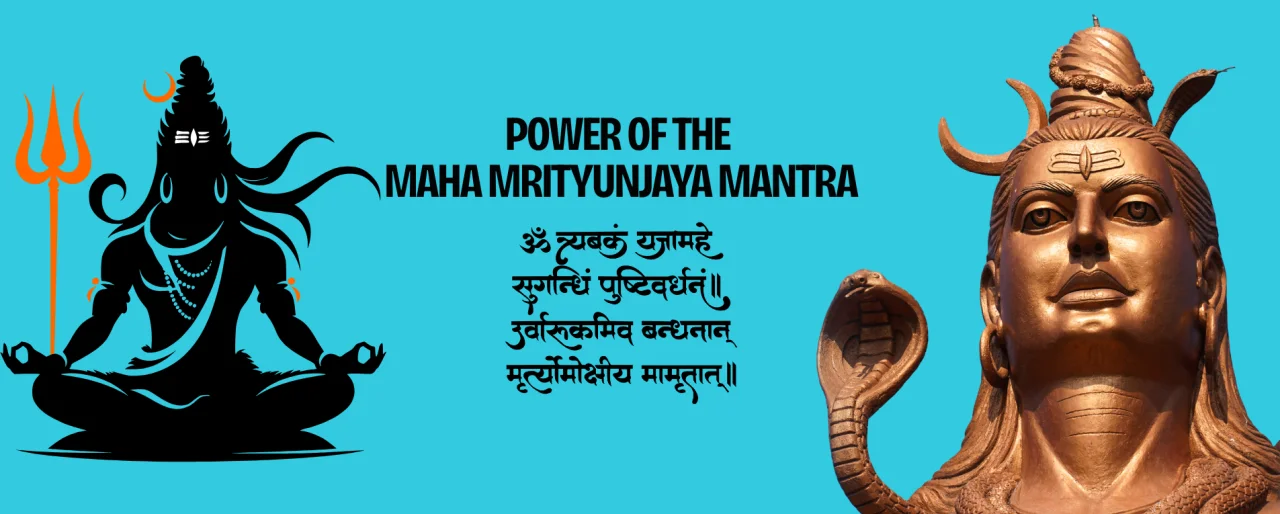
Introduction: The Eternal Healing Mantra
Among the sacred Vedic chants, the Mrityunjaya Mantra—also known as the Maha Mrityunjaya Mantra—holds a revered place. Dedicated to Lord Shiva, it is a powerful invocation for health, healing, longevity, and protection from untimely death.
Whether you're a devoted spiritual seeker or someone exploring healing vibrations through sound, understanding the Mrityunjaya Mantra can be transformative.
Mrityunjaya Mantra in Sanskrit and English
उर्वारुकमिव बन्धनान्मृत्योर्मुक्षीय माऽमृतात् ॥
Transliteration:
Om Tryambakam Yajamahe Sugandhim Pushtivardhanam
Urvarukamiva Bandhanan Mrityor Mukshiya Maamritat
Mrityunjaya Mantra Meaning
- Tryambakam – the three-eyed one (Lord Shiva)
- Yajamahe – we worship
- Sugandhim – fragrant
- Pushtivardhanam – nourisher of life
- Urvarukamiva Bandhanan – like a cucumber (detaching from the vine), free us from bondage
- Mrityor Mukshiya Maamritat – free us from death and lead us to immortality
- ✨ In essence:
We pray to the three-eyed Shiva, who nourishes all beings. Like the ripened fruit effortlessly detaches, may we be released from death and not from the nectar of immortality.
Benefits of Chanting the Mrityunjaya Mantra
- Mental Peace – Calms anxiety, fear, and stress.
- Healing Energy – Helps in physical recovery and strengthens immunity.
- Protection from Negativity – Builds a spiritual shield against negative influences.
- Fearlessness of Death – Helps transcend fear and accept mortality peacefully.
- Karmic Liberation – Supports release from past karmas and emotional blockages.
Regular chanting creates vibrational healing at a cellular and subtle body level.
When and How to Chant the Mrityunjaya Mantra
Best Time:
Early morning (Brahma Muhurta) or before sleeping.
How Many Times to Chant?
- 11, 21, or 108 times using a Rudraksha mala
Rules for Chanting:
- Face East while sitting in a meditative posture
- Chant with full focus and devotion
- Keep Shiva’s image or lingam in front (optional)
Also check : Yoga Teacher Training Nepal